

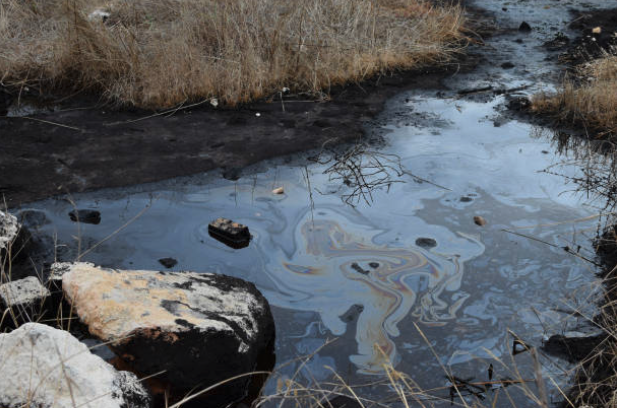
Hydrocarbons play a crucial role in powering our world, forming the backbone of many fuels and industrial chemicals. Yet, these organic compounds composed of hydrogen and carbon come with significant downsides. As their presence in our environment increases, so do their harmful impacts. Let’s explore the serious effects hydrocarbons have on human health and the environment. These effects highlight the importance of environmental services such as those offered by CABNEO.
What Are Hydrocarbons?
Before delving into their dangers, it’s important to understand what hydrocarbons are. These naturally occurring compounds are found primarily in fossil fuels such as oil, natural gas, and coal.
Hydrocarbons are also components of pesticides and other industrial products. Because hydrocarbons are a primary source of combustible energy worldwide, their extraction, use, and accidental release introduce pollutants into the environment with far-reaching consequences.
How Hydrocarbons Harm Human Health
Human exposure to hydrocarbons occurs through contaminated air, soil, and water, as well as occupational hazards. Prolonged or high-level exposure can lead to several serious health issues.
For one, inhaling hydrocarbon vapors can irritate the eyes, nose, and lungs, triggering symptoms similar to asthma or bronchitis. In more severe cases, chemical pneumonitis, a dangerous inflammation of the lungs, can occur.
More alarmingly, certain hydrocarbons such as benzene and polycyclic aromatic hydrocarbons (PAHs) are known carcinogens. These substances have been linked to blood disorders, including leukemia, and various cancers affecting the lungs, skin, and urinary tract.
The toxic effects extend to the nervous system as well, potentially causing:
- Headaches
- Dizziness
- Numbness
- Potential long-term neurological damage in chronic exposures
Hydrocarbons can also harm other organs, like the liver and kidneys.
Environmental Damage Caused by Hydrocarbons
Beyond human health risks, hydrocarbons degrade ecosystems. Emissions from hydrocarbon combustion contribute to the formation of ground-level ozone and smog. These harm plant life by reducing photosynthesis. They also degrade air quality for all living beings.
When hydrocarbons contaminate soil and groundwater through spills or leaks, they can persist for years, disrupting microbial communities, poisoning plants, and making water unsafe for humans and animals. Additionally, some hydrocarbons, such as chlorofluorocarbons (CFCs), contribute to ozone layer depletion. This depletion results in increased exposure to harmful ultraviolet rays, affecting both humans and wildlife.
Ecological impacts are particularly visible in the aftermath of oil spills, which cause immediate poisoning, physical harm through oil coating, and long-term habitat destruction. Even small, repeated leaks accumulate damage, threatening biodiversity and ecosystem stability.
Key Harmful Hydrocarbons to Know
To better grasp these effects, it’s helpful to be familiar with some common harmful hydrocarbon types:
-
Aldehydes:
Generated by combustion, these compounds can reduce plant growth while irritating human respiratory systems and acting as probable carcinogens.
-
Peroxyacyl Nitrates (PANs):
These are toxic pollutants found in photochemical smog that form when sunlight reacts with exhaust fumes; they are commonly known for causing stinging eyes and damaging vegetation.
-
Aromatic Hydrocarbons:
This category includes benzene and Polycyclic Aromatic Hydrocarbons (PAHs), which are especially hazardous due to their cancer-causing properties and lasting environmental presence.
-
Chlorofluorocarbons (CFCs):
Though less common today, these compounds have long-lasting effects on the ozone layer and increase UV radiation risks.
-
Petroleum Hydrocarbons:
This category broadly encompasses many toxic compounds detrimental to ecosystems and human health.
The Challenge of Environmental Cleanup
Hydrocarbon contamination is notoriously challenging to remediate. These compounds can seep deep into soils and aquifers, requiring advanced cleanup methods. CABENO specializes in safely assessing, managing, and remediating hydrocarbon pollution, helping communities recover from industrial spills and leaks. Their expertise ensures both the environment and public health are protected from the persistent dangers hydrocarbons pose.
Learn more about our various environmental cleanup services.
Protect Your Health and Environment: Take Action with CABENO
Hydrocarbons are integral to modern life but come with significant risks to human health and the environment. From respiratory problems and cancer risks to air and water pollution and ecosystem harm, their effects demand awareness and action. By investing in cleanup efforts and supporting experienced professionals like CABENO, communities can mitigate these threats and move toward a safer, cleaner future.
For reliable environmental cleanup services that address hydrocarbon contamination comprehensively, contact CABENO today.