

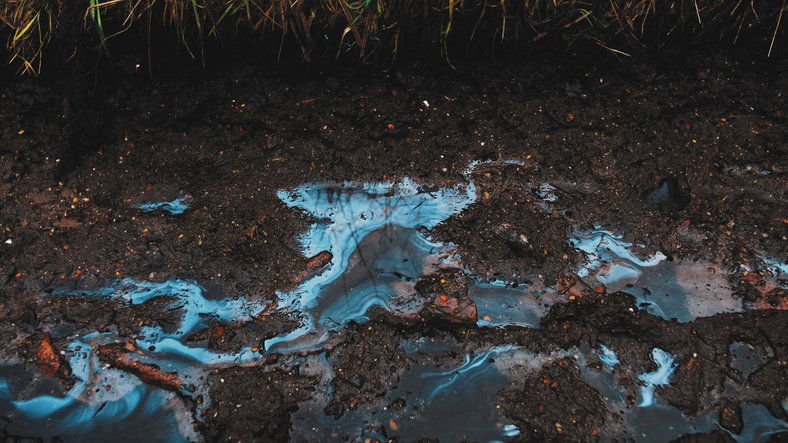
In the Chicago real estate and industrial market, discovering soil contamination can feel like a deal-breaker. Whether you are a developer looking to break ground, a real estate agent closing a commercial transaction, or a facility manager dealing with a spill, the term “soil pollution” often brings up fears of endless costs and regulatory red tape.
However, in a city with Chicago’s rich industrial history, soil issues are common (and manageable).
The key to navigating this process is understanding the regulatory pathway to closure. This guide covers everything Chicago property owners need to know about soil pollution testing, remediation methods, and obtaining the critical “No Further Remediation” (NFR) letter from the Illinois EPA.
When Is Commercial Soil Pollution Testing Required?
Commercial soil pollution testing is usually required by lenders, regulators, or unforeseen site conditions. In Chicago, these are the three most common situations that require professional testing:
Buying or Selling Commercial Real Estate
This is the most frequent reason for soil testing. If you are financing a commercial property, your lender will almost always require a Phase I Environmental Site Assessment. If that assessment reveals a history of high-risk use (such as a former dry cleaner, auto shop, or factory), you will be required to test the soil to prove the site is safe before the bank will fund the deal.
Discovering Underground Tanks or “Urban Fill”
Chicago has a deep industrial history, and excavation crews often find surprises once they break ground. It is common to uncover forgotten underground storage tanks (USTs) or “urban fill” soil mixed with ash, cinders, and industrial debris. When this happens, construction must pause so the soil can be tested and characterized for proper disposal.
Immediate Spills and Accidents
Accidents happen. If a hydraulic line bursts, a fuel truck overfills, or a chemical drum is punctured, the clock starts ticking immediately. In these cases, testing is needed right away to map the spread of the spill so it can be contained and removed before it migrates to neighboring properties or groundwater.
The Testing Process: From Paperwork to Pollution Testing
Environmental due diligence typically follows a two-step process. Understanding where you are in this timeline is critical for budgeting and scheduling.
Step 1: Phase I Environmental Site Assessment (The “Background Check”)
Before any soil is tested, a Phase I ESA is performed. This is purely a research phase. Environmental consultants review historical records, aerial photographs, and government databases to answer one question: Is there a reason to suspect site contamination?
If history is clean …
No further action is needed.
If risks are found …
These are called Recognized Environmental Conditions (RECs), such as a historical gas station or an old industrial dumping site. To verify if these risks are real, you must move to Step 2.
Step 2: Phase II Environmental Site Assessment (The “Physical Test”)
This is where actual soil pollution testing occurs. While Phase I identifies the potential for contamination, Phase II confirms if it is actually there.
At Cabeno, we utilize drill rigs and Geoprobe equipment to collect soil and groundwater samples from specific depths identified in the Phase I report. These samples are analyzed for contaminants common in Chicago industrial zones, such as:
- Volatile Organic Compounds (VOCs)
- Polyaromatic Hydrocarbons (PAHs)
- Heavy Metals
- Pesticides and Herbicides
The data from the Phase II report is what dictates your remediation strategy. It tells us exactly what is in the ground, how deep it goes, and how much needs to be removed or treated.
Soil Remediation Methods for Chicago Properties
Once contamination is confirmed, the goal shifts to remediation. “Remediation” doesn’t always mean digging everything up. Depending on the soil conditions and your development goals, we utilize several methods to restore the property.
1. Excavation and Disposal (Dig & Haul)
This is the most direct method. Contaminated soil is physically removed from the site and transported to a licensed landfill. This is often the preferred method for leaking underground storage tanks (LUST) or “hot spots” that need to be cleared quickly to allow for construction foundations.
Learn more about our excavation and tank removal services.
2. In-Situ Remediation (Treating it in Place)
For sites where excavation is impossible, we use in-situ remediation. This involves injecting chemical oxidizers or biological amendments directly into the soil and groundwater. These amendments break down toxic compounds (like chlorinated solvents or petroleum) into harmless byproducts without disrupting your business operations.
Explore our specialized In-Situ Remediation Services.
3. Engineering Controls & Barriers
In some cases, the Illinois EPA allows for “risk-based” closure. Instead of removing every ounce of contamination, you can eliminate the risk to human health by installing an engineered barrier. This could include:
- Capping: Using clean topsoil, concrete, or asphalt to prevent contact with underlying soil.
- Vapor Barriers: Installing membrane systems under building foundations to prevent soil vapors from entering indoor air.
The Goal: The “NFR” Letter
Why do we go through this testing and remediation process? For most commercial clients, the end goal is the No Further Remediation (NFR) letter.
Issued by the Illinois EPA, this document certifies that your property meets the required health and safety standards. An NFR letter effectively releases the property owner from further liability regarding that specific contamination, making the property bankable, insurable, and sellable.
Why Choose Cabeno for Environmental Field Services?
Navigating soil pollution in Illinois requires a partner who understands both the heavy machinery and the regulatory paperwork.
- Turnkey Solutions: We handle the investigation (sampling) and the execution (remediation), streamlining the process for you.
- 24/7 Emergency Response: Accidents happen. We are available around the clock to contain spills before they become large-scale soil pollution events.
- Local Expertise: We know the unique soil conditions of the Chicagoland area and the specific requirements of state regulators.
If you are dealing with a recognized environmental condition, a leaking tank, or a new development project, do not let soil issues stall your progress.
Contact Cabeno Environmental today. We will review your site conditions and develop a practical path toward remediation and closure.